
Essential Preparation Checklist for Bella Vista Flooring Installation & Surrounding Areas
Homeowners in Bella Vista, AR, and nearby communities such as Springdale, Rogers, Bentonville, Lowell, Pea Ridge, and Cave Springs often plan flooring installation projects to enhance the beauty and value of their homes. Proper preparation ensures a smooth installation, avoids delays, and protects your property. From clearing furniture to checking subfloors and selecting the right materials, following a comprehensive checklist helps achieve flawless results. Flooring experts across Bella Vista and surrounding towns guide homeowners through every step, ensuring both residential and commercial projects are completed efficiently and with high-quality finishes.
What Are the First Steps Before Flooring Installation?
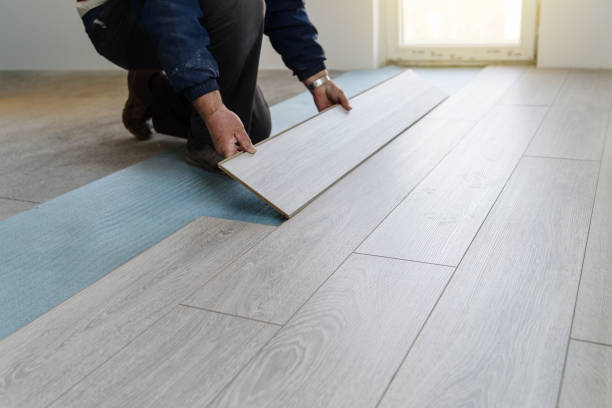
Before any flooring installation in Bella Vista or surrounding areas like Rogers and Bentonville, homeowners should start by measuring the space and selecting their preferred flooring type. Accurate measurements prevent material shortages or excess waste. Next, remove furniture, area rugs, and other items to clear the room. Inspect the subfloor for damage, moisture, or uneven surfaces, as these can affect installation quality. Preparing electrical outlets, vents, and doorways ensures a seamless process. Professionals recommend a step-by-step plan to avoid surprises and keep the project on schedule.
How Do You Prepare the Subfloor for New Flooring?
Proper subfloor preparation is critical for a smooth, long-lasting installation. In Springdale and Lowell, contractors check for cracks, moisture, and uneven areas. Damaged sections may need repair or replacement. Sanding or leveling ensures the floor surface is completely flat. Moisture barriers are added for certain flooring types, like hardwood or laminate, to prevent warping. Professionals also remove any debris, nails, or staples. A well-prepared subfloor guarantees durability and a professional-looking finish for your new floors.
Why Is Room Clearance Important Before Installation?
Clearing the room of furniture and obstacles is essential in Bella Vista and surrounding towns such as Pea Ridge and Cave Springs. Furniture can block installers and damage the new flooring. Removing items also allows contractors to inspect walls, baseboards, and subfloors for hidden issues. Temporary relocation of pets or children ensures safety during installation. A clear workspace speeds up the project and reduces the risk of scratches or dents. Proper clearance ensures that the installation proceeds efficiently and without interruptions.
How Do You Choose the Right Flooring Material?
Choosing the right flooring material depends on lifestyle, aesthetics, and durability needs. In Rogers and Bentonville, homeowners often select hardwood for elegance, vinyl for water resistance, or laminate for affordability. Carpet is preferred for bedrooms and comfort, while tile works well in kitchens and bathrooms. Consider traffic patterns, moisture levels, and maintenance requirements. Professionals guide homeowners in Bella Vista and surrounding areas to choose materials that complement their home design while meeting long-term needs.
Are There Tools and Materials Needed Before Installation?
Yes, certain tools and materials should be ready before flooring installation in Bella Vista, Springdale, and nearby towns. Common items include measuring tape, spacers, underlayment, saws, adhesive, and nails or staples depending on flooring type. Installing trim, transitions, and baseboards may require additional tools. Preparing all necessary materials in advance reduces delays and ensures a smooth workflow. Professionals often provide guidance on the exact requirements for each flooring type to prevent errors during installation.
How Do You Handle Doorways and Thresholds?
Doorways and thresholds require special attention during flooring installation in Rogers, Lowell, and Bentonville. Measure openings accurately to trim flooring pieces for a clean fit. Door bottoms may need sanding or adjustment to allow clearance over the new floor. Thresholds and transition strips connect different flooring types while preventing gaps. Proper preparation ensures the flooring looks seamless and professional. Contractors in Bella Vista advise planning these adjustments before installation begins to avoid costly mistakes.
How Important Is Moisture Testing Before Flooring Installation?
Moisture testing is crucial, especially in areas like Pea Ridge and Cave Springs, to prevent long-term damage. Excess moisture in subfloors can cause warping, mold, or adhesive failure for hardwood, laminate, or vinyl flooring. Professionals use moisture meters to measure both subfloor and material moisture content. Based on results, they may add moisture barriers or allow the subfloor to dry completely. This step protects your investment and ensures durability. Proper moisture testing is a vital part of pre-installation preparation.
Should You Remove Old Flooring Before Installation?
In Bella Vista and surrounding towns like Springdale and Bentonville, removing old flooring is often recommended to prevent uneven surfaces or compatibility issues. Carpet, tile, or vinyl may need to be removed before laying new flooring. Removing old adhesive or nails ensures a clean surface. In some cases, installers can work over existing flooring if it is flat and stable, but this depends on material type. Professional assessment determines the best approach. Proper removal reduces problems and supports a smooth installation.
How Do You Prepare for Furniture and Post-Installation Care?
After installation, planning for furniture placement and protective measures is important in Rogers, Lowell, and Pea Ridge. Use pads or sliders to prevent scratches, and avoid heavy traffic for at least 24–48 hours depending on flooring type. Schedule furniture return after adhesives or finishes have fully cured. Regular cleaning and maintenance prevent damage and preserve appearance. Professionals in Bella Vista provide guidelines to help homeowners protect their investment. Pre-planning ensures long-term satisfaction and durability.
How Do Professionals Ensure a Smooth Flooring Installation Process?
Experienced flooring professionals in Bella Vista, Bentonville, and surrounding towns follow structured preparation and installation steps. They check subfloors, measure spaces, handle doorways, and install flooring with precision. Proper planning, the right tools, and quality materials are essential. Professionals also coordinate timing, clean up after installation, and provide post-installation guidance. Their expertise guarantees efficient, durable, and visually appealing results. Working with trusted installers ensures homeowners receive a high-quality finished floor.
Final Thoughts
Proper preparation is essential for successful flooring installation in Bella Vista, AR, and surrounding areas such as Springdale, Rogers, Bentonville, Lowell, Pea Ridge, and Cave Springs. Clearing the room, preparing subfloors, testing moisture, and selecting the right materials all contribute to a smooth installation process. Experienced contractors guide homeowners through every step to ensure durable, beautiful, and functional floors. Following a thorough preparation checklist reduces delays, prevents damage, and ensures long-lasting results that enhance your home’s comfort and value.
How long does flooring installation usually take?
Installation can range from a few hours for small rooms to several days for larger areas or complex materials.
Do I need to remove old flooring before installing new floors?
Often yes, but some materials can be installed over flat, stable floors depending on the type and condition.
How do I protect floors after installation?
Use furniture pads, avoid heavy traffic initially, and follow manufacturer guidelines for curing and maintenance.
Should I test or moisture before installing hardwood or laminate?
Yes, moisture testing is crucial to prevent warping, mold, or adhesive failure.
Can I install flooring myself, or should I hire professionals?
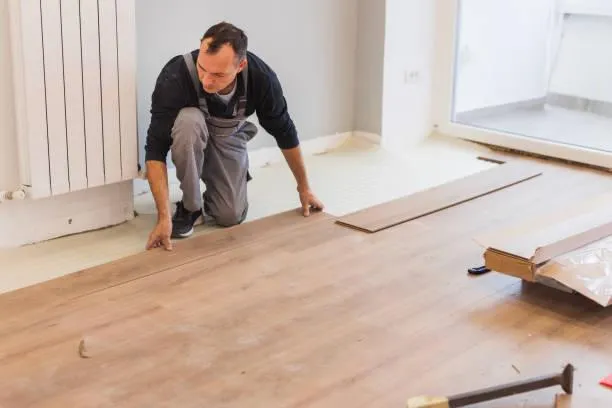
DIY is possible for simple flooring, but professionals ensure precise cuts, leveling, and long-lasting results.
Contact Us
Terms & Conditions
Privacy Policy